


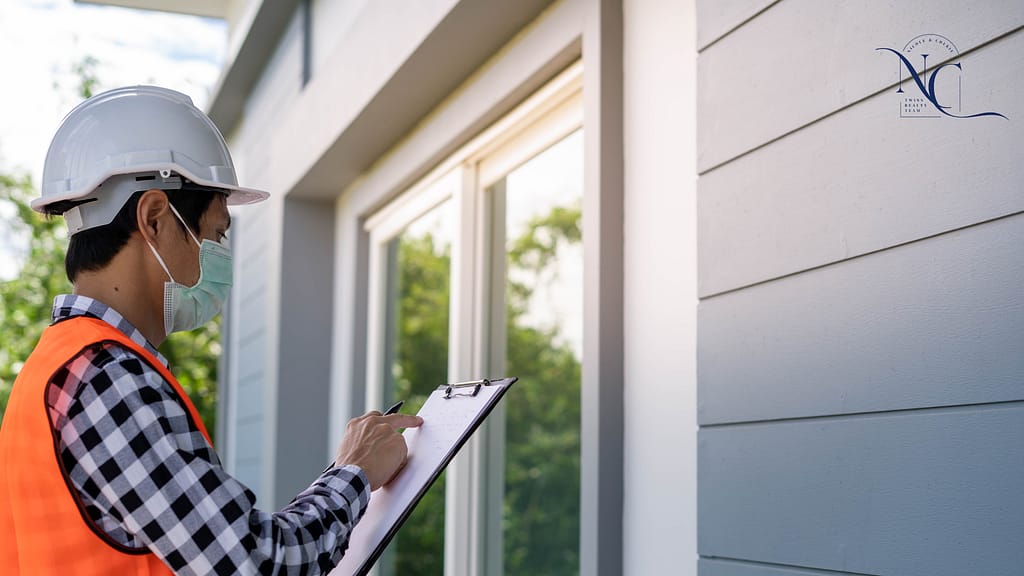
After a seller accepts your offer, the home buying process enters one of its most important stages:
- The home inspection.
For many buyers, especially first-time buyers, this part of the process can feel intimidating. Questions often start racing through their minds:
- What does the inspector look for?
- What if they find major problems?
- Can the deal fall apart?
- Should I attend the inspection?
The good news is that a home inspection is designed to provide information, not create fear. Its purpose is to help buyers better understand the property’s condition before moving forward with one of the biggest financial decisions of their lives.
What Is a Home Inspection?
A home inspection is a professional evaluation of a property’s visible and accessible systems and components. It gives buyers a closer look at the condition of the property before they move forward with the purchase. The American Society of Home Inspectors (ASHI)1 explains that inspections are especially important because they help buyers understand major systems and possible concerns that may not be obvious during a showing. This makes the inspection report a valuable tool for learning about the home and avoiding costly surprises.
A typical inspection may evaluate:
- Roofing
- Foundation
- Electrical systems
- Plumbing
- HVAC systems
- Windows and doors
- Attics and crawl spaces
- Interior and exterior structures
The inspection provides buyers with a detailed report outlining observations and potential issues.
Why Home Inspections Matter
A home may look great during a showing, but some issues aren’t immediately visible.
An inspection helps buyers:
✅ Understand the property’s condition
✅ Identify potential repair needs
✅ Make informed decisions
✅ Plan for future maintenance costs
✅ Negotiate repairs or credits when appropriate
The goal isn’t necessarily to find a “perfect” home. Instead, it’s to understand what you’re buying and whether any concerns require attention. Home inspections matter because they help buyers separate normal repair items from more serious concerns. ASHI notes that inspections are especially useful for evaluating important areas like the roof, foundation, HVAC, plumbing, and electrical systems, which can be expensive to repair or replace. Knowing these details before closing gives buyers more confidence and helps them make informed decisions.
What Home Inspectors Typically Check
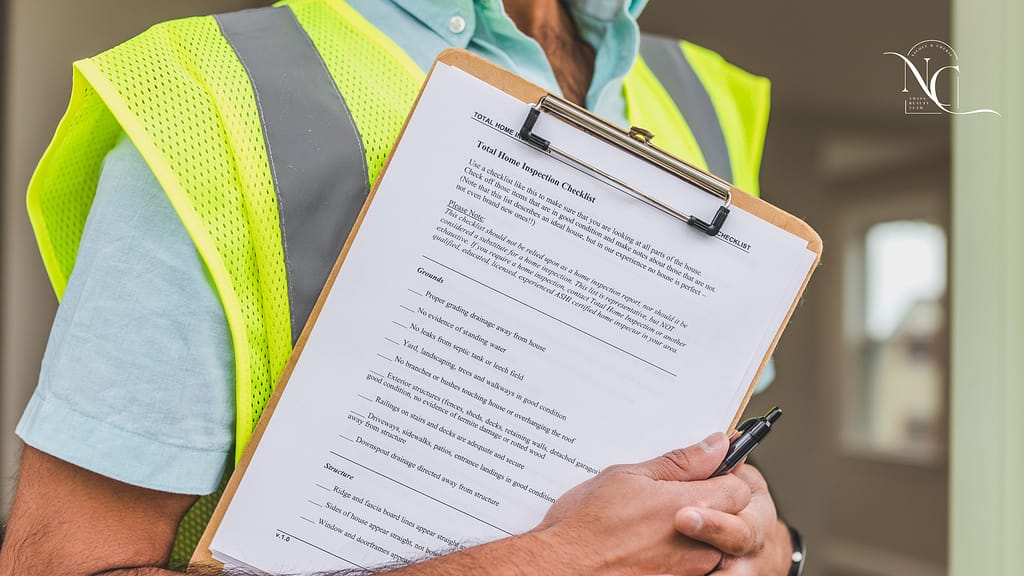
While every inspection is different, inspectors commonly evaluate major systems and structural components.
🏠 Roof
Inspectors may look for:
- Missing shingles
- Signs of leaks
- Roof damage
- Drainage concerns
⚡ Electrical System
Inspectors often evaluate:
- Electrical panels
- Wiring
- Outlets
- Safety concerns
🚿 Plumbing
Common inspection areas include:
- Water supply lines
- Drains
- Fixtures
- Water heaters
❄️ HVAC Systems
Inspectors may review:
- Heating systems
- Air conditioning units
- Ventilation systems
🧱 Foundation and Structure
Inspectors look for:
- Cracks
- Settlement concerns
- Structural issues
🚪 Doors, Windows, and Exterior Features
These components are often evaluated for functionality and signs of wear.
Inspectors commonly focus on the home’s major systems and visible structural components. It’s important to highlight areas such as the roof, foundation, heating and cooling systems, plumbing, electrical, attics, basements, and other visible concerns that may affect safety or repair costs. While every property is different, these categories help buyers understand what the inspection is meant to evaluate.
Common Issues Found During Home Inspections
Many buyers worry that an inspection will uncover serious problems.
In reality:
- Most homes have inspection findings.
Some common examples include:
- Minor roof repairs
- Plumbing leaks
- Electrical updates
- HVAC maintenance needs
- Aging components
- Drainage issues
Even newer homes can have inspection findings.
Finding issues doesn’t automatically mean the purchase should be canceled. Most inspection reports include some findings, and not every issue is a dealbreaker. ASHI explains that buyers should pay close attention to bigger-ticket concerns like roofing, foundation, HVAC, plumbing, and electrical issues because they can affect safety and future costs. Smaller items may simply become part of repair planning or negotiation rather than a reason to walk away.
What Happens If Problems Are Found?
When inspection concerns are identified, buyers typically have several options.
Depending on the contract and circumstances, they may choose to:
- Request repairs
- Request seller concessions or credits
- Renegotiate terms
- Accept the home as-is
- Walk away from the transaction if allowed by contract terms
This is one reason inspections are such an important part of the due diligence process. After inspection problems are found, buyers may have room to negotiate depending on the contract and the type of issue. Zillow2 explains that buyers can often ask the seller to make repairs, offer a credit, reduce the price, or address specific concerns before closing. The goal is to use the inspection findings to make a practical decision, not to panic over every item in the report.
Home Inspection vs Home Appraisal
Buyers often confuse inspections and appraisals, but they serve very different purposes.
| Home Inspection | Home Appraisal |
| Evaluates condition | Evaluates value |
| Benefits buyer | Benefits lender |
| Identifies potential issues | Confirms market value |
| Optional in many cases | Often required by lender |
- An inspection focuses on condition, while an appraisal focuses on value because a home inspection and an appraisal serve different purposes in the buying process. Zillow3 explains that an inspection evaluates the home’s condition for the buyer, while an appraisal estimates the home’s market value for the lender. This distinction matters because a home can have condition concerns even if it appraises, or it can be in good condition but still appraise below the agreed purchase price.
Can a Home Fail an Inspection?
One of the most common misconceptions is:
❌ “A house can fail an inspection.”
In reality:
✔️Home inspections are not pass-or-fail tests.
Instead, inspectors provide information about the property’s condition.
The decision about how to proceed belongs to the buyer. A home inspection is not a pass-or-fail test. Instead, the inspector documents visible concerns so the buyer can decide what matters, what needs negotiation, and what may require further evaluation. Rocket Mortgage4 explains that buyers can use the report to request repairs, renegotiate, walk away if allowed by contract terms, or move forward as planned.
Should Buyers Attend the Inspection?
When possible:
- Yes.
Attending the inspection allows buyers to:
- Ask questions
- Learn about the home’s systems
- Better understand maintenance responsibilities
- See issues firsthand
Many inspectors also provide valuable maintenance tips during the process.Attending the inspection can help buyers better understand the home beyond the written report. Buyers can ask the inspector to pay closer attention to areas of concern and use the inspection as an opportunity to learn more about the property. This can be especially helpful for first-time buyers who want to understand maintenance needs and possible red flags firsthand.
What Happens After the Inspection?
Once the inspection report is complete, buyers review the findings with their real estate professional.
The next steps may include:
- Requesting repairs
- Negotiating credits
- Moving forward as planned
- Further evaluations by specialists if needed
The inspection period is designed to give buyers the information they need to make confident decisions. Once the inspection report is complete, buyers should review it carefully with their real estate professional and decide which issues matter most. The next steps may include asking for repairs, requesting credits, renegotiating, ordering specialist evaluations, or moving forward without changes. The inspection period gives buyers time to make a more informed decision before closing.
Final Thoughts: Knowledge Creates Confidence
A home inspection is one of the most valuable opportunities buyers have to learn more about a property before closing. Rather than viewing the inspection as something to fear, it should be seen as a tool that helps buyers make informed decisions and better understand the home they are purchasing.
It’s important to remember that nearly every home will have some inspection findings. The goal isn’t to find a perfect property, but to gain clarity about its condition and identify any concerns that may require attention now or in the future. Armed with this information, buyers can move forward with greater confidence and fewer surprises after closing.
At Twins Realty Group, buyers receive guidance through every stage of the home buying journey, including inspections, negotiations, and closing preparations. While one twin helps clients understand financing and mortgage considerations, the other helps navigate the practical side of purchasing a home and interpreting important milestones throughout the transaction.
If you’re preparing to buy a home and want to better understand what to expect during the inspection process, Twins Realty Group is here to help. One twin handles the loan. One secures the home. One smooth experience for you.